Your wedding, through every camera that was there.
You hired someone for the ceremony and the portraits. Nobody was hired for the 1am dance floor, the table your cousins wouldn't leave, or the ten minutes you spent hiding with your partner eating actual food. Those photos exist — on 90 phones you will never get them off. A roll collects them into one film.
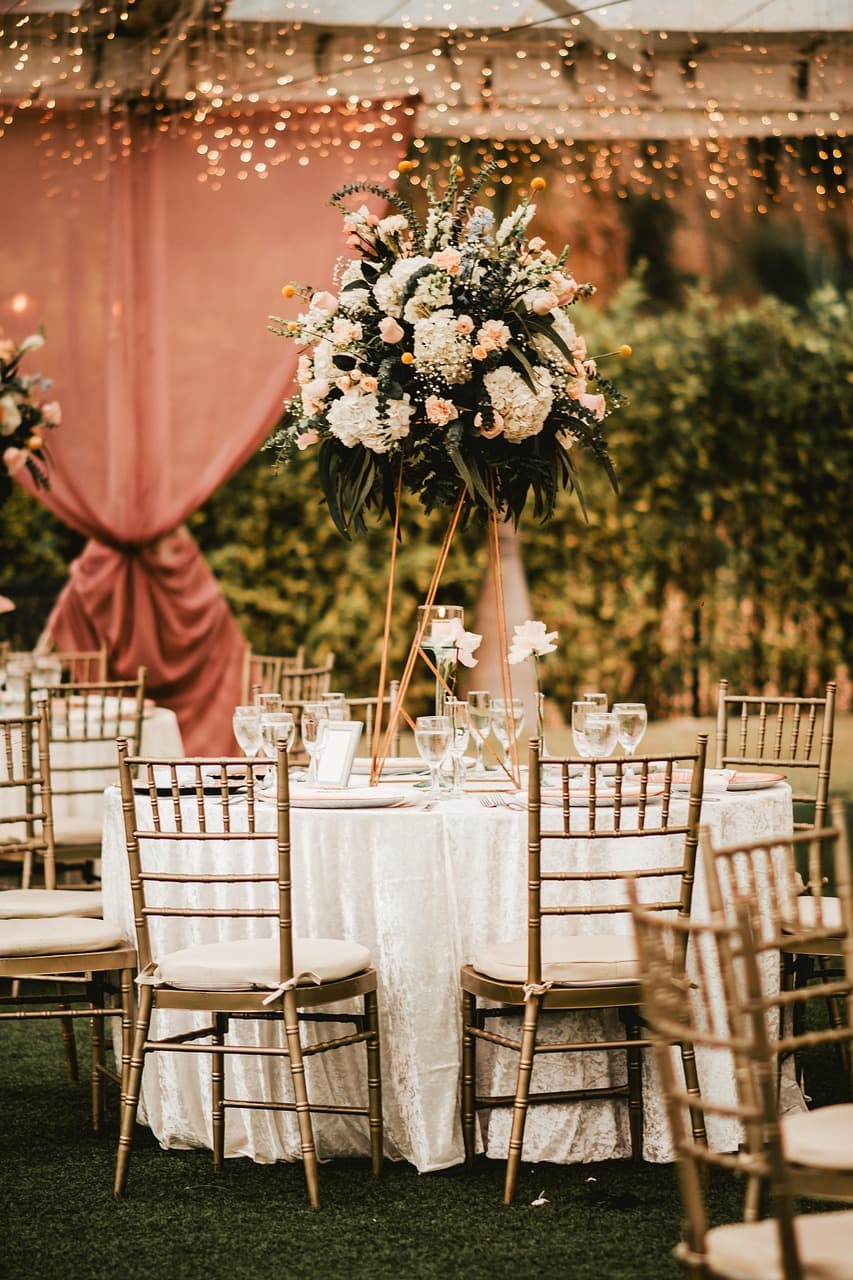
Why a roll suits weddings.
Guests won't install a wedding app
Your guests range from 8 to 88 and half of them are already annoyed about parking. Asking them to download something is the reason table cameras and hashtags stop working after the first hour. They point a phone camera at your code and start shooting in the browser.
Hidden film keeps people at the wedding
Nothing is visible until the reveal you set, so there's no reviewing, no comparing, no quietly posting a photo of the ceremony before your grandmother has seen it. The photos come back afterward, all at once.
It fills the gaps a photographer can't
One photographer stands in one place. A roll gives you the getting-ready room, both sides of the aisle, and the reception from inside the crowd rather than from the edge of it.
Nothing is public
The roll belongs to the people who joined. It isn't posted to a feed and it isn't sold.
How to set up a roll for weddings.
- Shots per person
- 24–36 per guest
- Reveal
- The morning after, around 10am
- Tier
- Party for most weddings, Crowd above 100 guests
A next-morning reveal is the one people say they'd repeat. It gives you a second wedding day — everyone wakes up, opens the roll over breakfast, and sees the night from every angle at once. Revealing during the reception pulls people back onto their phones, which is the thing you were trying to avoid.
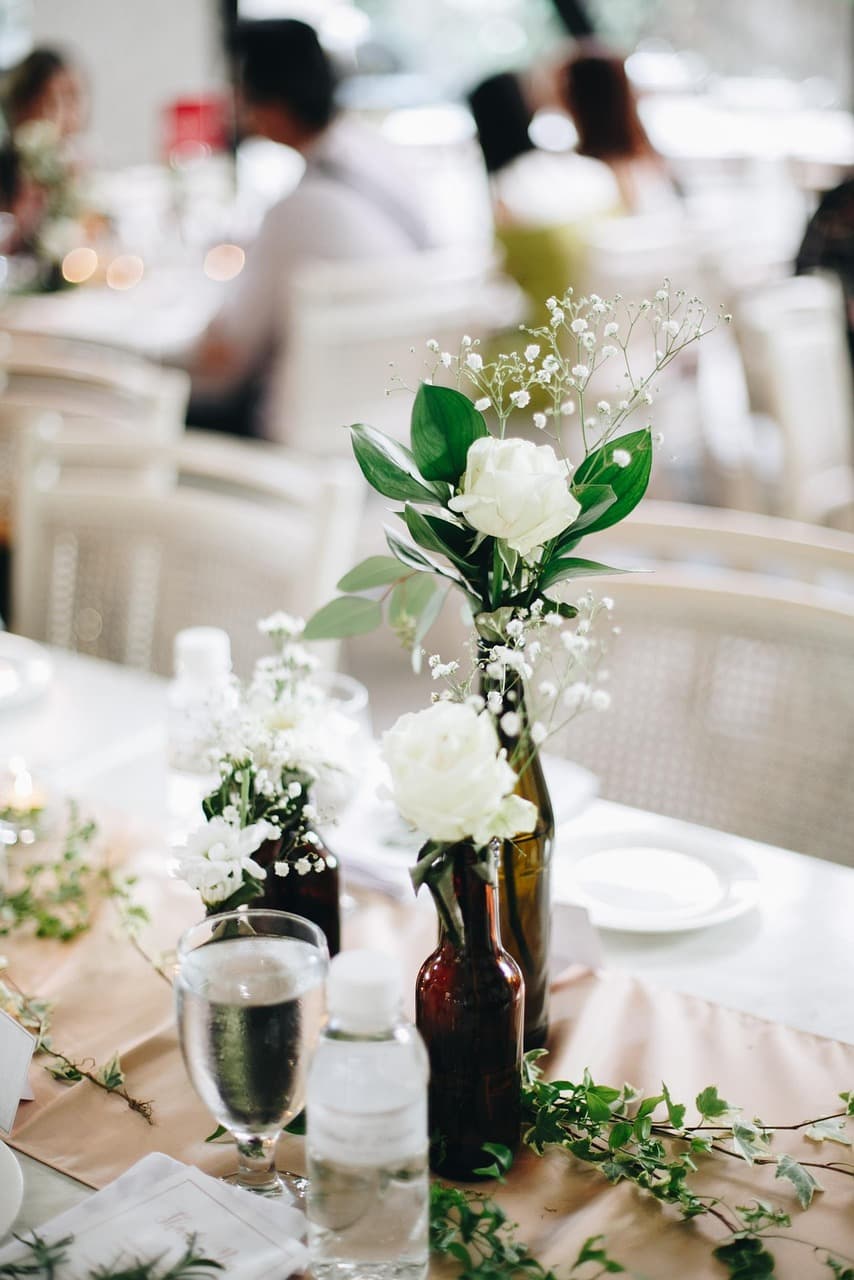


Weddings questions
How many shots should each wedding guest get?
24 to 36 works well. It's enough to cover a full day and few enough that people frame a shot instead of firing off twenty of the cake. Guests who run out have usually stopped shooting by the speeches anyway.
Can we put the code on the tables?
Yes — a code on each table or on the back of the order of service is the most reliable way to get guests shooting. Any phone camera opens it; there's nothing to install.
Does this replace a wedding photographer?
No, and it shouldn't. A photographer gives you the composed record of the day. A roll gives you the candid one from inside the crowd. They cover different things.
Before you decide
Honest comparisons of every way to collect guest photos — including the ones that don't involve us.
How to collect photos from your wedding guests: 5 methods compared
QR codes, shared albums, hashtags, disposable cameras and the group chat — what each method actually collects, what it costs, and where each one fails.
7 min read →Wedding photo QR codes: how they work and how to set one up
What a wedding photo QR code does, how big to print it, where to put it, and the five things that stop one from scanning on the day.
6 min read →Are disposable cameras on wedding tables worth it? An honest answer
The real cost of table disposables once developing is included, why so many frames come back black, and when they're still the right call.
6 min read →Shared album vs event camera app: which actually collects the photos
An honest comparison for weddings and parties: what each one actually collects, what it costs, and when the free option is the right choice.
6 min read →